South Africa is one of the easiest countries to plan for—its seasons are distinct, and most major attractions are reachable year-round.
But “any time works” doesn’t mean “every time is the same.” If you want smoother weather, better wildlife viewing, and fewer unpleasant surprises, timing matters.
This guide breaks down the best time to visit South Africa by season and by region, then gives practical packing and planning tips you can use straight away.
Plan by season
The seasons in South Africa
South Africa’s seasons are opposite to the Northern Hemisphere. Here is the simple version.
Dec — Feb
Summer
Warm to hot, livelier cities, summer rain inland
Mar — May
Autumn
Mild days, comfortable evenings, fewer crowds
Jun — Aug
Winter
Cooler, drier inland, prime safari visibility
Sep — Nov
Spring
Warmer days, returning green, easy travel weather
Want safari visibility?
Lean toward winter.
Want an easy overall trip?
Choose autumn or spring.
Want festivals and daylight?
Summer shines—expect heat and showers.
From coast to bush
Best time by region
The right month changes depending on where you’re going—and what you hope to do there.
The Western Cape
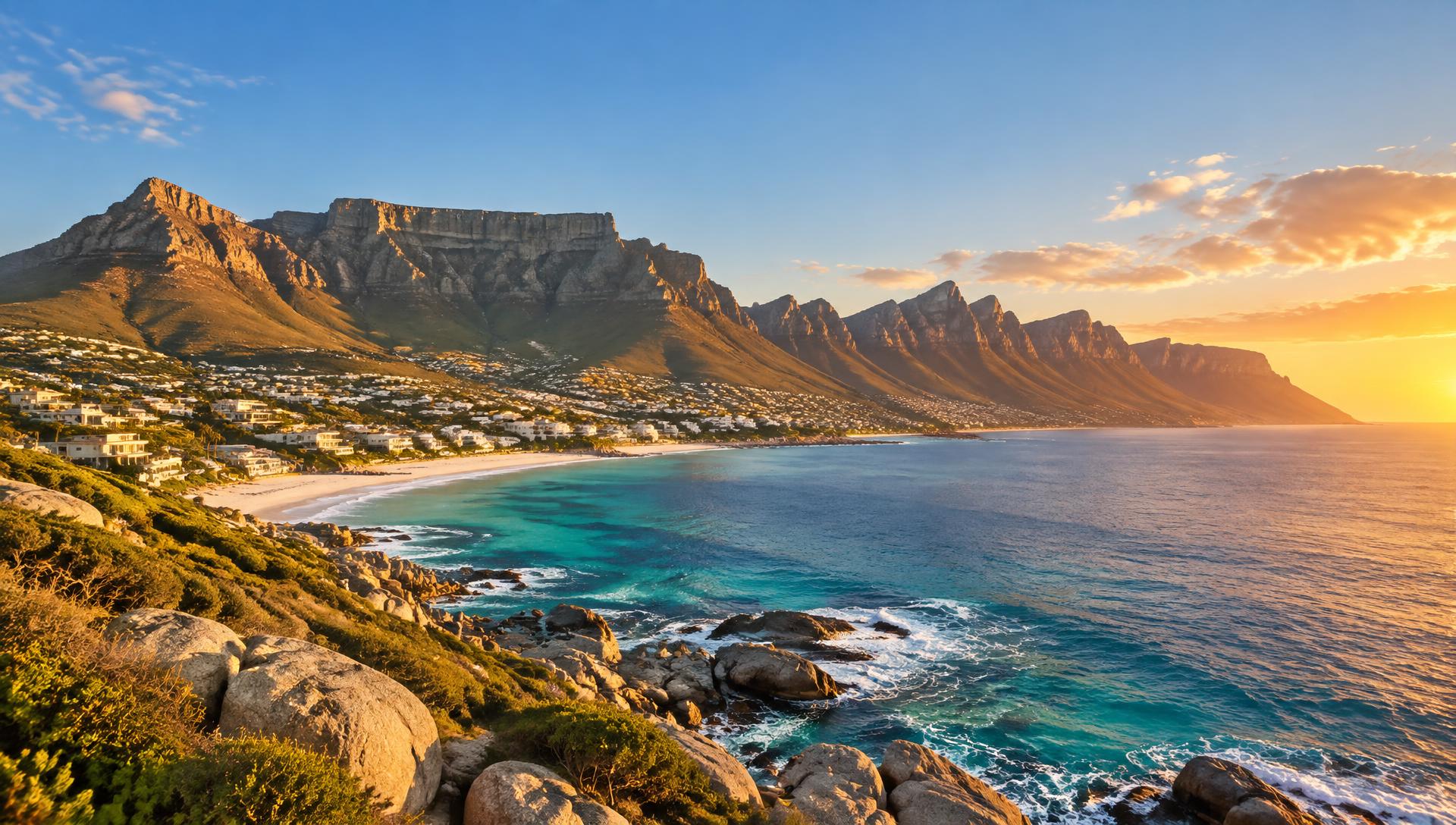
Cape Town
Cape Town’s weather is famously variable. Even when it’s sunny, conditions can change quickly—so don’t pack only one type of outfit. These shoulder periods tend to bring comfortable temperatures, clearer sightseeing conditions, and fewer full rainy spells than winter.
Winter (June–August): cooler and more likely to be rainy, but also ideal for cozy evenings, fewer crowds, and dramatic scenery. If you don’t mind layers and weather flexibility, this can be an excellent time.
Summer (December–February): usually warm, though hot days happen. It is popular for beaches and outdoor day trips, so book accommodation and activities early.
What to pack: Bring a light rain jacket or compact umbrella, layers for evenings, sun protection, and shoes suited to uneven hiking ground.
Coast & forest
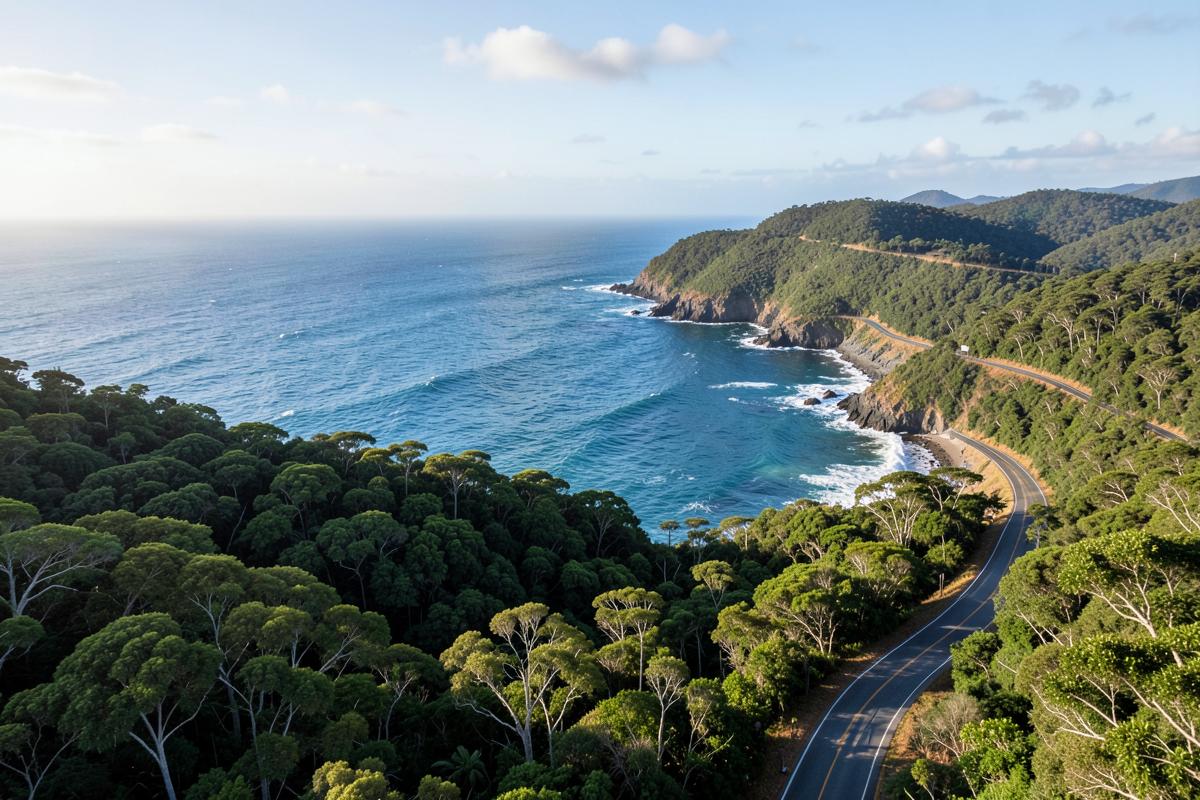
The Garden Route
The Garden Route is scenic in every season, but the experience changes with rainfall and temperature. The shoulder seasons bring milder weather, comfortable temperatures for stops, and generally better outdoor conditions.
Winter (June–August): cooler and sometimes wetter. It remains beautiful, but plan for occasional rain and shorter daylight when driving longer stretches.
Summer (December–February): lively and warm, but popular stops are more likely to be busy.
What to pack: Bring a waterproof layer, quick-dry clothing, comfortable walking shoes, and a light sweater for evenings.
Safari country
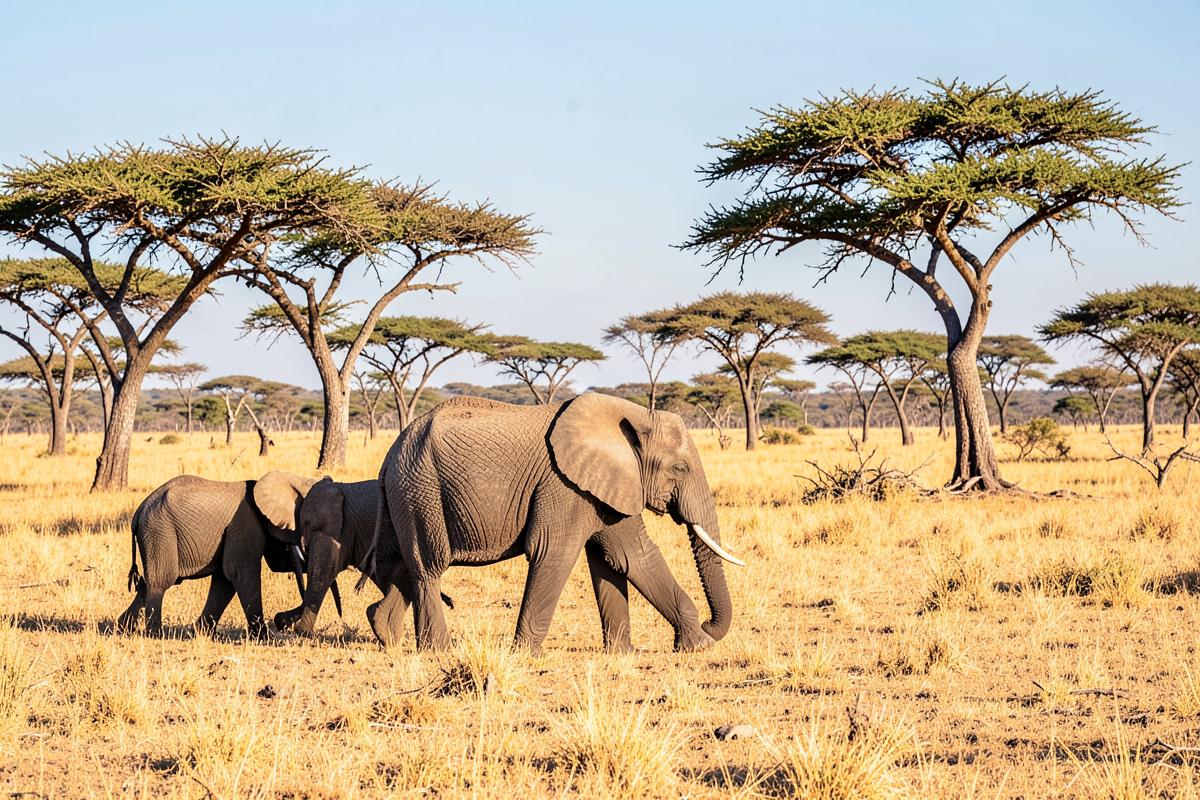
Kruger & Northern Parks
For safari planning, rainfall is usually the key factor because it affects visibility and wildlife movement. Winter is typically drier, with less dense vegetation—often making animals easier to spot.
Excellent shoulder options: May and September often bring good sightings with slightly better travel value than peak months.
Summer (December–February): warmer, wetter, and green. Birdlife can be excellent and animal behavior differs, but expect humidity and occasional downpours.
What to pack: Bring neutral greens or browns, a light jacket for early drives, sunglasses, sunscreen, a hat, and binoculars if you have them.
If you want a simple answer
Four travel goals. Four easy windows.
First-time all-round trip
March–May
Safari-focused travel
June–August
Walking + coastal time
September–November
Summer vibes + events
December–February
Travel smarter
Booking tips that save money and stress
Choose your anchor activity first
If safari is your priority, plan around your safari months and build the rest of the trip around it.
Book popular stays and tours early
Summer holidays and winter school breaks can fill quickly, especially in Cape Town and safari-adjacent towns.
Plan for daylight and driving times
In winter, mornings and evenings feel cooler, while daylight hours can affect a road-trip schedule.
Build in buffer time
Weather delays happen. A little flexibility keeps the itinerary enjoyable rather than rushed.
Pack with purpose
What to pack by trip type
Not every journey needs the same suitcase. Start with the way you’ll travel.
City + sights
Comfortable walking shoes, layers, sun protection
Coast + outdoors
Rain layer, sunglasses, breathable fabrics
Safari
Neutral colours, light jacket, hat, sunscreen
Road trip
Phone charger, offline maps, reusable water bottle
Turn the plan into a booking.
A useful travel guide connects inspiration to trusted services in each destination.
Good to know
Frequently asked questions
Is South Africa crowded?
It varies by season and location. Winter safari season and major holiday periods can be busy, but many routes remain manageable with early booking.
Can I visit South Africa in winter?
Yes—winter is often ideal for safari visibility and comfortable daytime sightseeing in many areas. Pack warm layers for evenings and mornings.
What’s the best time for a first safari?
Many travelers choose June–August, or May and September, for a balance of dry conditions and strong chances of sightings.